Win-Back Email Campaigns for Inactive Local Customers
Every local business loses customers over time, not always because of a bad experience, but simply because life gets busy and habits change. Win-back email campaigns are one of the most cost-effective tools you have to bring those lapsed customers back through your door. As part of a broader email marketing local business strategy, a well-timed win-back sequence can recover revenue you've already earned the hard way, without spending a dime on new customer acquisition. This guide walks you through exactly how to build one that works for your community.
What Is a Win-Back Email Campaign and Why Does It Matter for Local Businesses?
A win-back email campaign is a targeted sequence of emails sent to customers who haven't visited, purchased, or engaged with your business within a defined period. For a local business, whether you run a salon, restaurant, gym, boutique, or service company, an inactive customer isn't necessarily a lost one. They chose you once, which means the hardest part of the relationship is already done.
The economics are compelling. Industry research consistently shows that converting a lapsed customer costs significantly less than acquiring a brand-new one. These former customers already know your name, trust your brand at some baseline level, and don't need to be introduced to what you do. They just need a reason to come back.
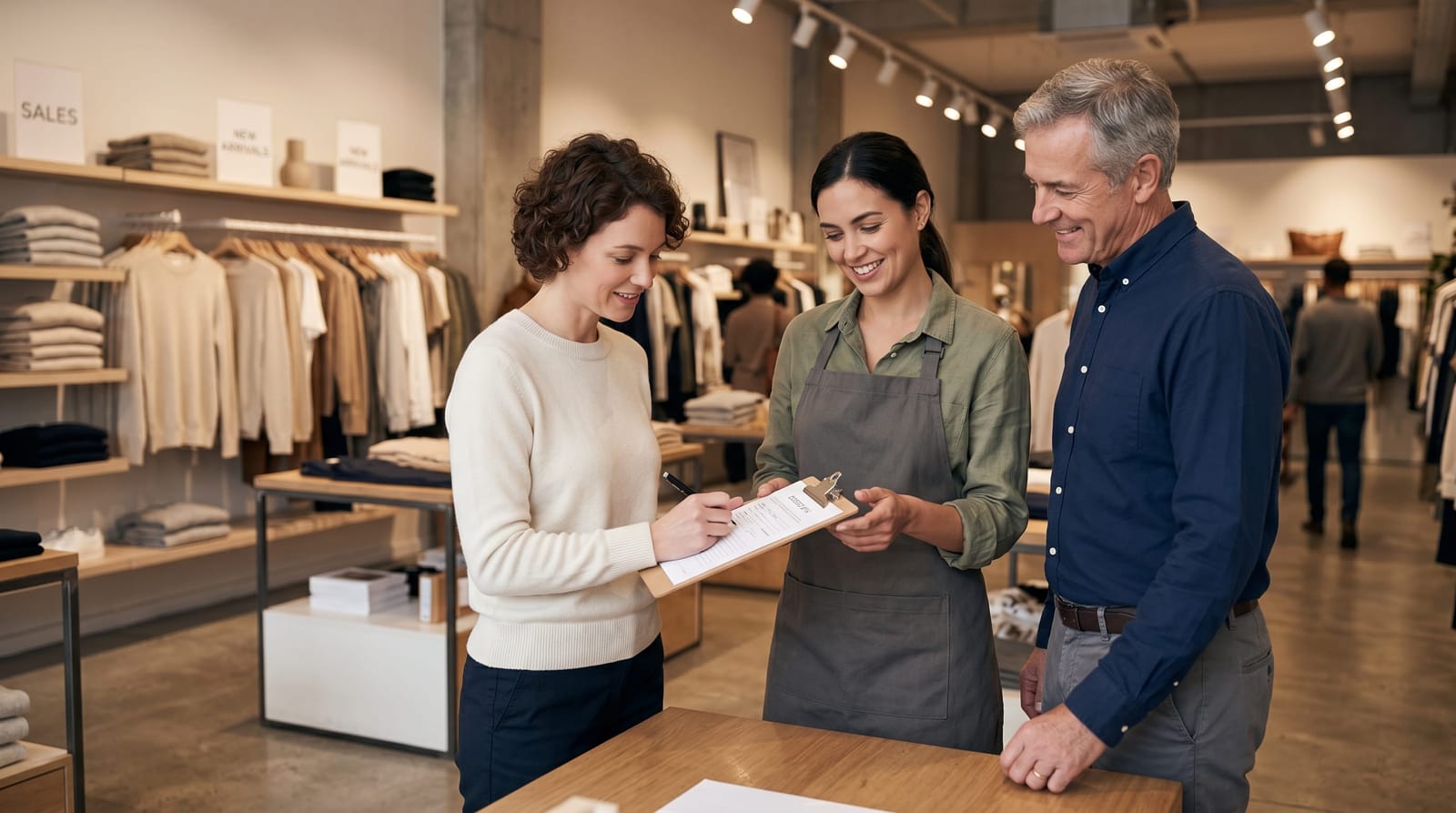
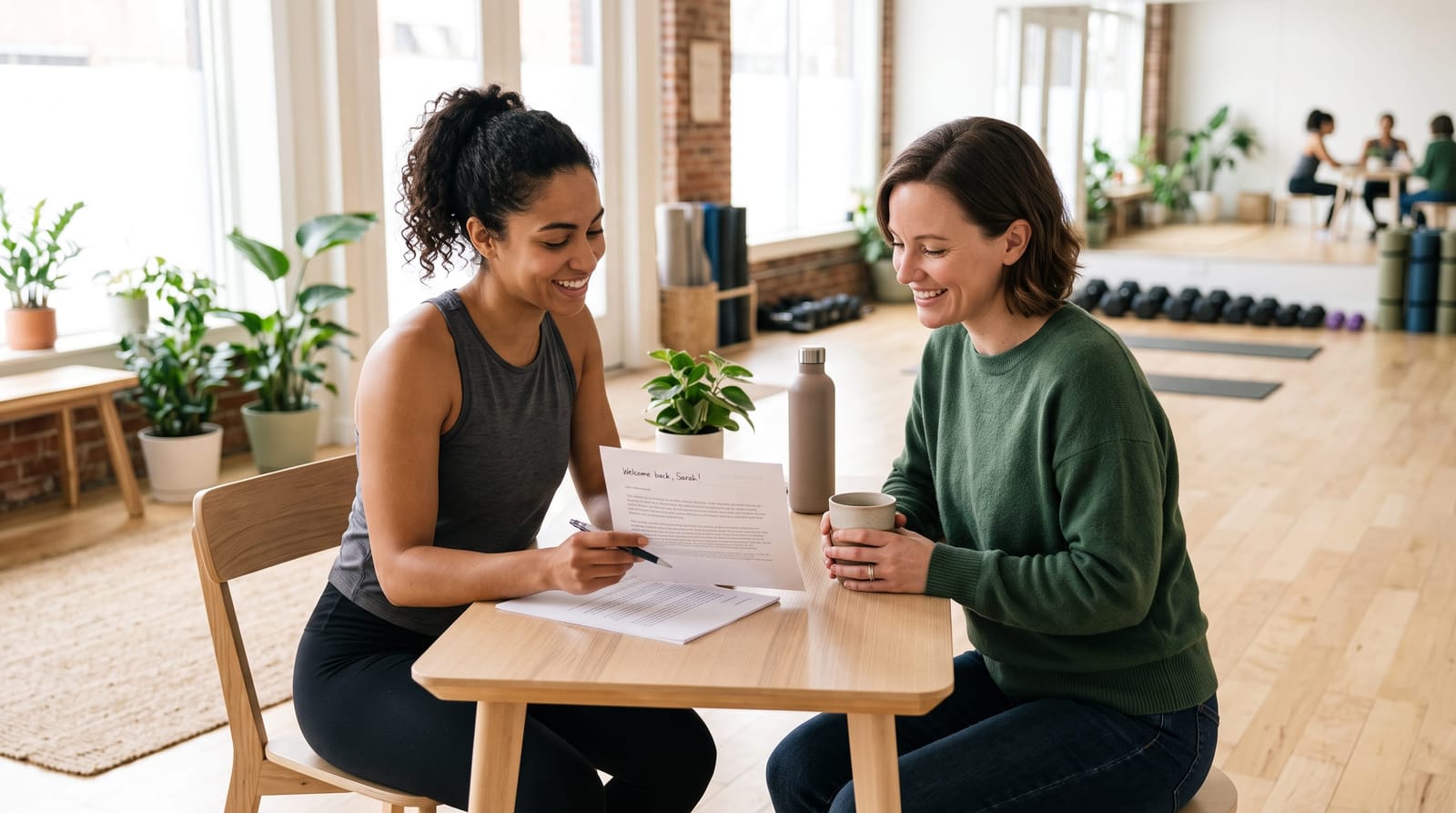
For local businesses specifically, win-back campaigns carry an extra emotional dimension. Unlike faceless e-commerce brands, you're a neighbor. A message that says "We miss you: hope everything's okay" lands very differently coming from the coffee shop on Main Street than from an anonymous national chain. That local authenticity is a competitive advantage you should use deliberately in every email you send.
How to Define "Inactive" for Your Specific Business
Before you write a single email, you need to establish what "inactive" actually means in the context of your business. The threshold varies dramatically depending on your industry and average purchase frequency.
- Hair salon or barbershop: A customer who hasn't booked in 90 days is likely overdue
- Restaurant: Someone who hasn't ordered or dined in 60 days may have shifted their habits
- Fitness studio: A member who hasn't attended a class in 30 days is already at churn risk
- Retail boutique: A shopper who hasn't purchased in 120-180 days is cooling off
- HVAC or home services: A client who hasn't booked in 12-18 months may need a seasonal reminder
Pull your customer data: most point-of-sale systems, booking platforms, and email tools like Mailchimp or Klaviyo allow you to segment by last purchase date. Create a dedicated "lapsed customer" segment and update it automatically. You want your win-back sequence to trigger on its own, not require manual effort every time someone goes quiet.
Building a Three-Email Win-Back Sequence That Works
A single email is rarely enough to re-engage a dormant customer. A short sequence of two to three emails, spaced strategically, gives you multiple opportunities to reconnect without becoming annoying. Here's a structure that works well for local businesses:
Email 1: The Soft Check-In (Send at the Start of the Inactive Window)
Keep this one warm and human. No hard sell, no desperate discount. Simply acknowledge the gap and remind them of the value they experienced. A subject line like "It's been a while: we'd love to see you again" outperforms pushy promotional language. Include a brief, genuine message from the owner or manager if possible. Personalization using their first name and even their last service or purchase type dramatically improves open rates. Close with a soft call-to-action: "Book your next appointment" or "See what's new this season."
Email 2: The Incentive Email (Send 7-10 Days Later If No Engagement)
If the first email didn't spark action, it's time to add value. Offer a meaningful incentive, not a token 5% discount that feels insulting, but something that genuinely moves the needle. Think 15-20% off their next visit, a free add-on service, or a "welcome back" gift with purchase. Be specific and create a real deadline: "Your 20% welcome-back discount expires in 7 days." Scarcity and specificity both increase conversion rates. Tie the offer to your local identity where possible, "We're celebrating our 10th year in the neighborhood and want to thank our loyal customers."
Email 3: The Last-Chance Email (Send 5-7 Days Before the Offer Expires)
This is your final shot. Keep it brief and direct. Remind them the offer is expiring, restate the benefit clearly, and include one prominent call-to-action button. A subject line like "Last chance: your discount expires tonight" creates urgency without being manipulative. If they don't engage after this email, move them to a suppressed or reduced-frequency list. Continuing to email non-responders hurts your deliverability and your sender reputation.
Subject Line and Messaging Strategies That Re-Engage Local Customers
The right messaging turns a generic campaign into something that actually feels personal. Local businesses have a distinct voice advantage here: use it.
Subject lines that tend to perform well for local win-back campaigns include:
- "We miss you, [First Name]: here's something special"
- "It's been [X] months: ready to come back?"
- "Your neighbors are talking about our [new product/service]"
- "A little something from us to you, [First Name]"
- "We saved your spot, but not for long"
Inside the email, avoid corporate-sounding copy. Write the way you'd actually speak to a regular customer if you ran into them at the grocery store. Reference real things: a seasonal menu change, a new team member, a renovation, a community event you sponsored. These local details signal that your business is alive, growing, and worth returning to.
If you've already built a strong first impression through your welcome email series for new local business customers, your lapsed customers will have a positive association with your emails to draw on: making re-engagement even more likely.
Measuring the Success of Your Win-Back Campaign
Tracking the right metrics tells you whether your campaign is actually working or just generating vanity numbers. For local business win-back emails, focus on these:
- Reactivation rate: The percentage of lapsed customers who make a purchase or booking after receiving your sequence. Even a 5-10% reactivation rate is meaningful revenue.
- Revenue per reactivated customer: Did they come back for a small one-time visit or did they re-engage consistently? Track their activity for 60-90 days after reactivation.
- Offer redemption rate: If you included a discount or incentive, how many people actually used it?
- Unsubscribe rate: A spike in unsubscribes during your win-back sequence may indicate your timing or messaging is off.
Review these numbers after your first campaign runs and use them to refine your timing, subject lines, and offer thresholds for the next cycle. Win-back campaigns improve significantly with iteration.
Frequently Asked Questions
How long should I wait before starting a win-back email sequence?
It depends on your typical purchase cycle. As a general rule, start your win-back sequence when a customer has been inactive for 1.5 to 2 times your average visit frequency. For a business where customers typically come in monthly, that means triggering the sequence at 6-8 weeks of inactivity. Don't wait too long: the longer the gap, the harder the re-engagement.
Should I offer a discount in every win-back email?
No. Lead with relationship and value in your first email before introducing a financial incentive. Offering a discount immediately can devalue your brand and train customers to go quiet just to receive offers. Reserve the incentive for your second email, and make it genuinely compelling rather than a token gesture.
What if customers don't respond to any of the three emails?
Move unresponsive contacts to a suppressed or low-frequency segment. You can attempt one final re-engagement email 6-12 months later, but continuing to email non-responders damages your email deliverability and inflates your list with dead weight. It's better to maintain a smaller, engaged list than a large, unresponsive one.
Can win-back campaigns work for service businesses with irregular booking patterns?
Absolutely. Service businesses like plumbers, accountants, or landscapers may have customers who only need them seasonally or annually. Adjust your "inactive" threshold accordingly and frame your win-back messaging around seasonal relevance: a spring tune-up reminder, a year-end financial review, or a pre-winter inspection. The timing itself becomes part of the value proposition.
Bringing Lapsed Customers Back into Your Community
Win-back email campaigns for inactive local customers aren't about desperation: they're about smart stewardship of relationships you've already built. A thoughtful three-email sequence, grounded in genuine local voice and timed to your specific business cycle, can recover meaningful revenue with minimal investment. Pair this strategy with retention-focused tactics like birthday and anniversary email campaigns to reduce churn before it starts. When win-back campaigns are part of a complete email marketing system, you're not just recovering lost customers: you're building a loyal local community that keeps coming back.